Elon Musk has recently pledged to open-source the platform’s new algorithms to the public within the next seven days, marking a radical step forward in transparency for the social media giant.
In a post on X this Saturday, Musk stated that this open-source initiative is not a one-time event but will become a regular mechanism. He noted that X will repeat the algorithm disclosure process every four weeks, accompanied by detailed developer notes designed to help external parties clearly understand specific changes.
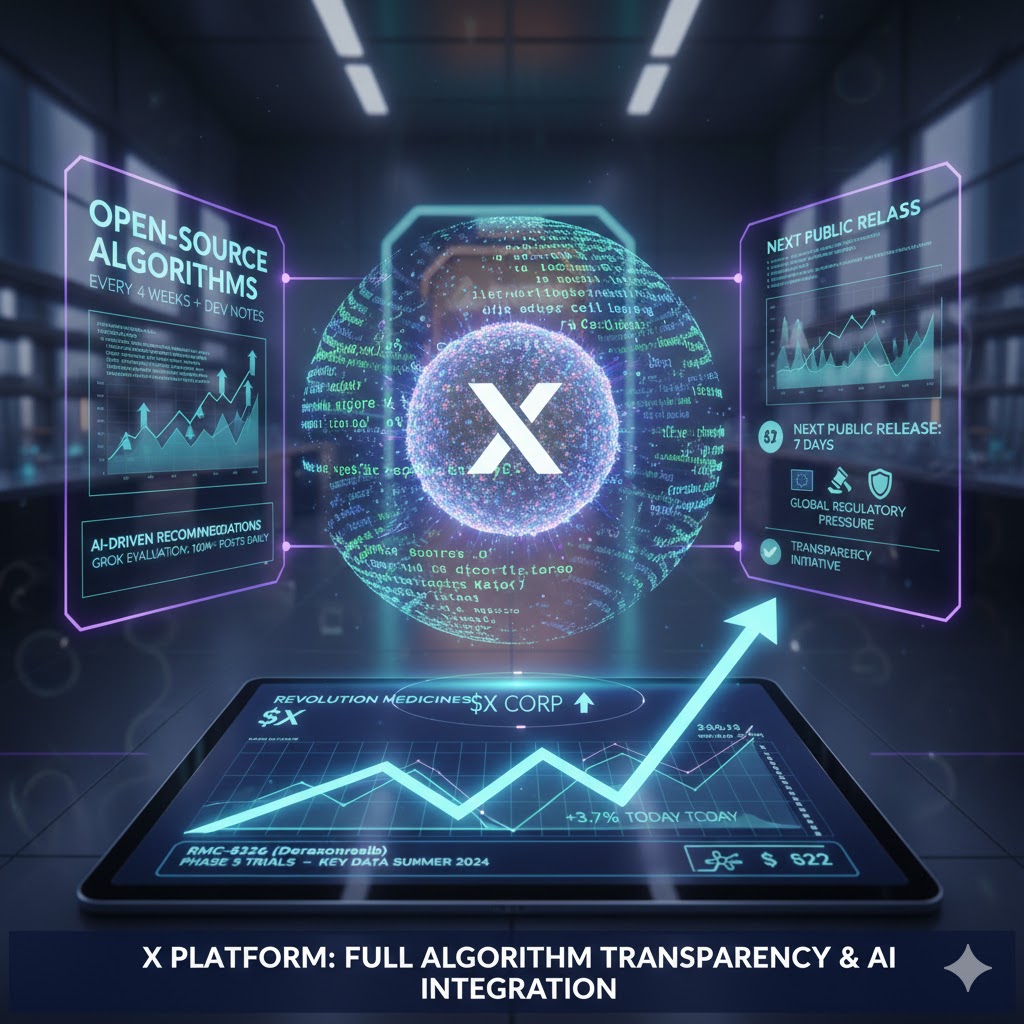
The announcement comes at a time of mounting friction between X and global regulators over content moderation and recommendation mechanisms. By regularly disclosing its algorithms, X may be attempting to alleviate external concerns regarding its opaque operations while addressing user criticism over the quality of feed recommendations. However, Musk did not explicitly state the specific motivation behind this sudden decision to open-source.
This move could have profound implications for the digital advertising market and social media operating models. If the core recommendation logic becomes fully transparent, it will not only shift strategies for content creators but also allow advertisers to more intuitively understand how their content reaches audiences. Simultaneously, it provides regulators with direct evidence to scrutinize the platform for potential bias or manipulation.
Transition to AI-Driven Recommendation
X is currently focused on deepening the application of artificial intelligence within its recommendation algorithms. Last October, Musk stated that improvements in user feeds resulted not from manual adjustments to heuristic rules, but from an increased reliance on Grok and other AI tools.
According to Musk’s previous disclosures, the company aims to make X’s recommendation engine “purely AI-driven.” The plan involves utilizing Grok, Musk’s AI chatbot, to evaluate the more than 100 million posts published on X daily. After being filtered by Grok, the system pushes content most likely to interest individual users. Musk has asserted that this mechanism will “profoundly improve the quality of the feed.”
In September of last year, Musk proposed an even more frequent open-source schedule, claiming the platform would share its algorithms every two weeks. Although the frequency has been adjusted to every four weeks, it still indicates the company’s intent to fully integrate AI into its core operational architecture.
While Musk has made multiple promises to open parts of X’s algorithm in recent years, actual execution has been inconsistent. Prior to this announcement, some X users complained about seeing fewer posts from people they follow due to platform changes.
Addressing this issue last October, Musk confirmed that the company had discovered a “major bug” in the “For You” algorithm and promised a fix. The announcement of full open-sourcing and periodic updates may be a further step toward repairing trust and technical vulnerabilities.
Intensifying Global Regulatory Pressure
Musk’s announcement comes as X faces increasingly stringent scrutiny from global regulators, primarily focused on the spread of misinformation, inadequate content moderation, and a lack of transparency.
European regulators, in particular, have stepped up their focus. In an investigation last July, France requested that X share its algorithms to investigate allegations of bias and manipulation. At the time, X refused the request, dismissing the investigation as politically motivated.
Furthermore, Grok’s image generation feature has recently come under fire for producing a large volume of sexualized AI-generated images of women and children. UK Prime Minister Keir Starmer has demanded “urgent rectification” from X this week, while UK Technology Secretary Liz Kendall warned that access to the service could be blocked in the UK if it fails to comply with the law. Indonesia has already blocked Grok over concerns regarding the generation of sexual content. As of Friday, Grok informed X users that image generation and editing features will transition to a paid subscription service, removing the initial free allowance.